Do Pre 2000 Trucks Need An ELD? Engine Year Exemption
Rules, prices and device details on this page were checked October 2026 against the official sources listed at the bottom. Where a provider doesn't publish a number, we say so instead of guessing.
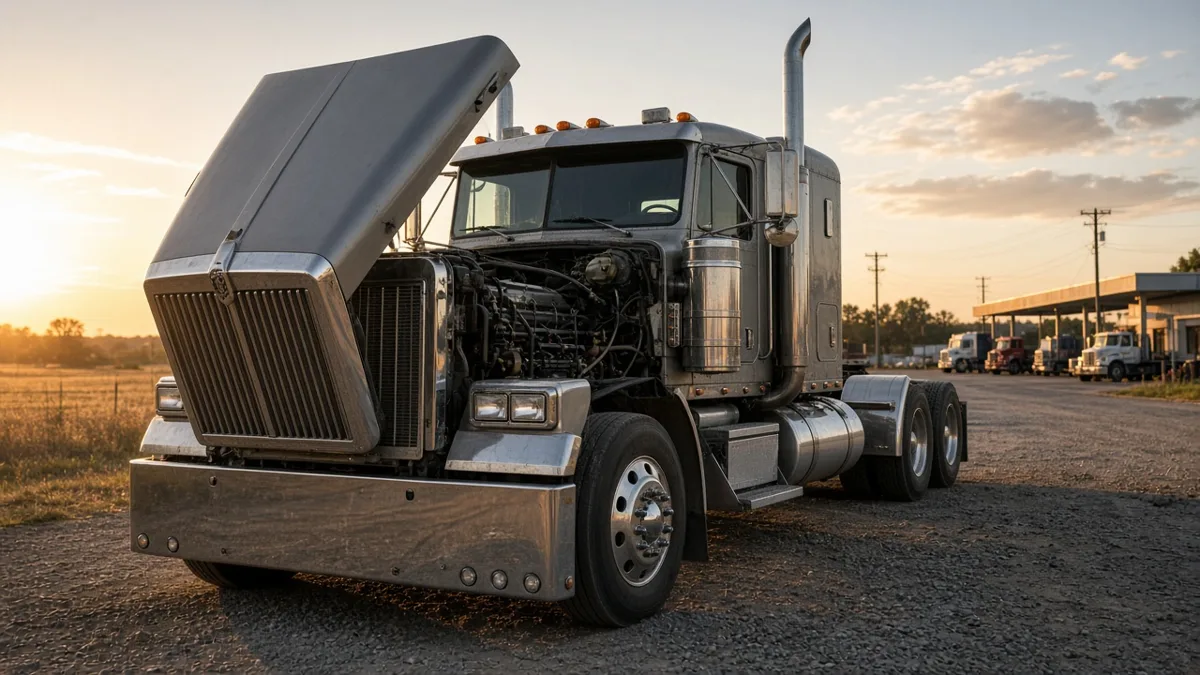
Older trucks have a special place in the ELD rule. When FMCSA wrote the mandate, it recognized that many engines built before model year 2000 don't have the electronic control module an ELD needs to read engine data. So it created an exception. The question that has caused confusion for years is whether the truck's age or the engine's age is what counts. FMCSA answered that in new guidance that took effect October 2, 2026.
The Rule
Under 49 CFR 395.8(a)(1)(ii)(A)(4), drivers of commercial motor vehicles with a model year older than 2000 don't have to use an ELD. They still have to follow the hours of service rules and keep records of duty status, but they can do it on paper or with a logging device that isn't a full ELD.
FMCSA's revised guidance, published as FMCSA-HOS-ELD-395-FAQ020 and dated October 2, 2026, explains how the exception applies. It replaced the earlier 2018 guidance, which FMCSA rescinded. Under the new guidance:
- A truck whose VIN shows a model year before 2000 is exempt.
- A truck with an engine that's older than model year 2000 is also exempt, even if the VIN shows a later model year. That covers glider kits and engine swaps.
- The carrier should keep documents that show the engine change at its principal place of business.
That's a meaningful change. Under the old approach, many drivers believed only the VIN year mattered. Now the engine itself can qualify the truck.
Engine vs Chassis Year
A truck's VIN is tied to the chassis. The engine may be original or may have been replaced. Here's how the two combine under the current guidance:
| VIN model year | Engine model year | ELD required? |
|---|---|---|
| Before 2000 | Original, before 2000 | No, exempt by VIN |
| Before 2000 | Replaced with a 2000 or newer engine | Exempt by VIN under the regulation; check the current FMCSA guidance for your setup |
| 2000 or newer | Older than 2000 (glider or swap) | No, exempt by engine year with documents |
| 2000 or newer | 2000 or newer | Yes, unless another exemption applies |
If you have an unusual combination, read the FMCSA guidance itself and keep a copy. Inspectors may not all know about the October 2026 update yet.
Glider Kits
A glider kit is a new chassis and cab sold without an engine and transmission. Owners install a powertrain, often a rebuilt older engine. Gliders are popular because older engines can be simpler to maintain. Since the glider has a new VIN, drivers used to assume an ELD was required. Under the new guidance, if the installed engine is older than model year 2000, the truck is exempt from the ELD requirement.
The same logic applies to any truck that had its engine swapped for an older one. What matters is being able to show the engine's model year.
Proof at Inspection
An inspector will usually check the VIN first. If the VIN shows 2000 or later, you'll need to explain why you're on paper logs. Make that easy:
- Keep the engine documents. Build sheets, purchase invoices, rebuild records or a dealer letter showing the engine serial number and model year. The carrier should keep these at its principal place of business.
- Carry a copy in the truck. The guidance focuses on records at the carrier's office, but a copy in the cab helps clear things up at roadside.
- Know your engine serial number. Inspectors may compare the plate on the engine with your papers.
- Carry the FMCSA guidance. A printout of the current FAQ helps if an officer isn't familiar with the change.
If you get a violation you believe is wrong, you can ask for a review through FMCSA's DataQs system with your engine documents attached.
You Still Need Logs
The exception is from the ELD, not from logging. You still need records of duty status that meet 49 CFR 395.8, including the grid, the date, miles, truck number, carrier name and your signature. You also still need to follow the 11 hour driving limit, the 14 hour window, the 30 minute break rule and the 60 or 70 hour limits.
Some drivers of exempt trucks choose to use an ELD anyway. It saves paperwork and makes audits simpler. If you do, make sure the device works with your engine. Older engines may not have the data an ELD needs, which is the whole reason the exception exists. Check our guide to ELD exemptions for other cases, and our best ELD devices list if you decide to use one.
Rules and data checked October 2026.
Frequently Asked Questions
Do pre 2000 trucks need an ELD?
No. Trucks with a VIN model year older than 2000 are exempt from the ELD requirement, though drivers still need to keep records of duty status.
Does the engine year count, or only the VIN?
Under FMCSA guidance effective October 2, 2026, a truck with an engine older than model year 2000 is also exempt even if the VIN shows a later year.
Are glider kits exempt from ELDs?
A glider with an engine older than model year 2000 is exempt under the current FMCSA guidance. Keep documents that show the engine year.
What proof do I need?
Keep engine change documents at the carrier principal place of business, and carrying a copy in the truck helps at roadside.
Sources
All prices, terms and registration details were checked October 2026 on the pages below. Providers change pricing often, so confirm before you buy.